


Decluttering Tips for Busy Parents


Between work commitments, school runs, cooking meals, endless laundry, homework, and trying to maintain some form of a social life, keeping a family home organised can feel like an impossible task.
For many busy parents, clutter builds gradually until one day the whole house suddenly feels overwhelming.
Toys spread across the sitting room, paperwork piles up on the kitchen counter, wardrobes overflow, and finding anything quickly becomes a daily challenge.
The reality is that family life is busy, messy, and constantly changing. However, an organised home does not have to mean a perfectly styled house that looks untouched. Instead, it is about creating practical systems that reduce stress, save time, and help everyday family life run more smoothly.
The good news is that decluttering does not need to take over your life. You do not need an entire free weekend, expensive storage solutions, or a perfectly minimalist lifestyle to make a real difference. Small, consistent habits can completely transform the way your home feels and functions.
Creating organised systems for busy family homes is not about perfection. It is about making daily life easier, reducing stress, and creating a calmer, more functional home environment for the whole family.
Here are some realistic and effective decluttering tips designed specifically for busy parents
Start Small Instead of Tackling the Entire House

One of the most common mistakes people make when decluttering their home is trying to organise the entire house in one go.
This often leads to frustration, exhaustion, and unfinished projects that create even more mess than before.
Instead of attempting a complete home overhaul, focus on one small area at a time. This could be:
One kitchen drawer
A bathroom shelf
A single wardrobe section
The toy basket in the living room
One cupboard under the stairs
Small tasks feel far more manageable, especially when you are already balancing a busy family life. Even spending just 15 or 20 minutes each day can lead to significant progress over time.
Many parents find success using a timer. Setting a timer for a short burst of decluttering makes the task feel less overwhelming and easier to fit into a busy day.
Remember, consistency matters far more than perfection.
Create Simple Daily Reset Routines
Decluttering is only part of the process. Maintaining an organised home comes from creating small daily habits that stop mess from building up again.
A simple “reset routine” can help your home stay manageable without requiring hours of cleaning or tidying.

Some easy daily reset habits include:
Clearing kitchen counters before bed
Doing a quick toy tidy-up after dinner
Sorting post and paperwork immediately
Hanging coats and bags in designated spots
Putting laundry away as soon as it is folded
These habits may seem small, but they prevent clutter from spiralling out of control.
Even a 10-minute family tidy-up in the evening can make the next morning feel calmer and less stressful. You could even put on your favourite song while you do it.
Stop Waiting for the “Perfect Time”
Many parents delay decluttering because they believe they need a full free day to get started. In reality, there is rarely a perfect time and honestly, who has a spare day?

Family life is unpredictable, and waiting for ideal conditions often means the clutter continues to grow.
Instead of postponing the process:
Declutter while dinner is cooking
Sort one drawer while children nap
Spend 10 minutes organising before the school pick-up
Use short pockets of time throughout the day
Small actions add up surprisingly quickly, and a little progress each day is far more sustainable than occasional large decluttering sessions.
Use the “One In, One Out” Rule
This is one of my favourite rules and something I regularly share with clients.
Children’s belongings seem to multiply overnight. Between birthdays, holidays, school supplies, hand-me-downs, and impulse purchases, homes can quickly become overcrowded.
The ‘one in, one out’ rule is one of the simplest ways to control clutter long term.
The rule is straightforward:
Whenever a new item enters the home, another item leaves.
For example:
A new toy replaces an old toy
A new coat means donating an old one
New shoes replace worn or unused pairs
This habit prevents belongings from continuously accumulating and encourages more mindful purchasing decisions.
Involve the Whole Family
Decluttering should never fall entirely on one parent’s shoulders. Creating an organised family home works best when the whole household contributes.

Even young children can help with simple tasks such as:
Putting toys into baskets
Returning books to shelves
Matching socks
Throwing away rubbish
Older children can help sort clothes, organise school supplies, and make decisions about items they no longer use.
You can make tidying more enjoyable by:
Turning it into a game
Using music during clean-up time
Setting quick tidy-up challenges
Offering praise and encouragement
When children learn organisational habits early, maintaining the home becomes much easier in the long run.
Focus on Function Over Perfection
Social media often shows beautifully organised homes with matching baskets, colour-coded wardrobes, and spotless playrooms. While these spaces may look inspiring, they are not always realistic for busy family life.
A successful home organisation system should make your life easier, not create additional pressure.
Ask yourself:
Is this easy to maintain?
Can everyone in the family use it?
Does it simplify daily routines?
Is it practical for real life?
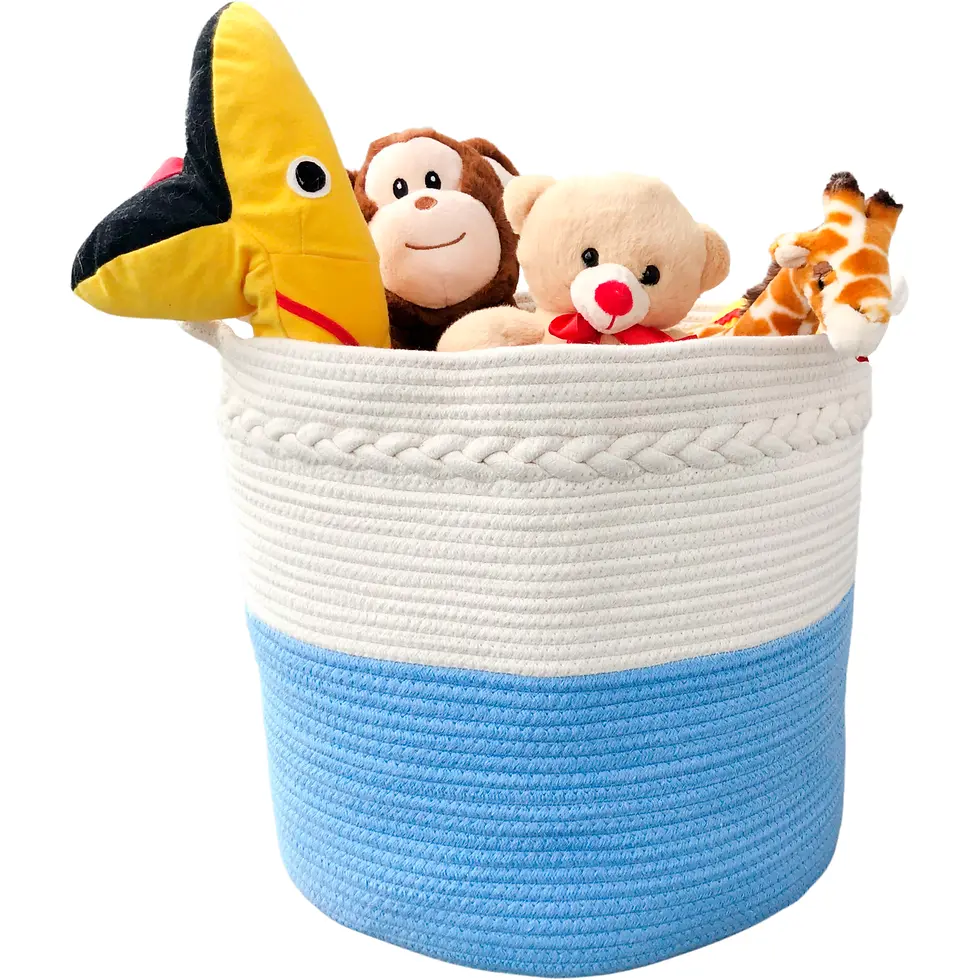
For example, large open baskets for toys are often more practical than detailed storage systems that require constant sorting. I get lots of these baskets from The Range in Sevenoaks. They come in all sizes and are reasonably priced.
The goal is not perfection. The goal is functionality.
Declutter Toys Regularly

Toys are one of the biggest sources of clutter in busy family homes. Too many toys can actually overwhelm children and make tidying more difficult.
Instead of keeping every toy available all the time, try rotating toys. Store some away and swap them every few weeks. This keeps play areas tidier and often makes children more interested in the toys they already own.
It is also helpful to regularly remove:
Broken toys
Toys missing pieces
Items children have outgrown
Duplicates
Toys that are never used
Before birthdays and holidays is an ideal time to declutter toys and create space for incoming gifts.
Create Easy-to-Access Storage Systems

The easier it is to put something away, the more likely it is to stay organised.
Complicated systems often fail because they require too much effort to maintain.
Simple storage solutions can make a huge difference, such as:
Hooks for coats and school bags
Clear containers for snacks
Labelled baskets for toys
Drawer organisers for kitchen utensils
Shoe racks near entrances
Laundry baskets in multiple bedrooms
Try to store frequently used items where they are easiest to access. This saves time and reduces frustration during busy mornings.
Be Honest About ‘Just in Case’ Items
Many parents hold onto things because they might need them someday. While some backup items are useful, too many ‘just in case’ possessions create unnecessary clutter.
Common examples include:
Outgrown baby clothes
Old feeding equipment
Broken electronics
Duplicate kitchen gadgets
Clothes that no longer fit
Toys saved for future siblings that may never be used again
Ask yourself:
Have we used this recently?
Would we realistically use it again?
Is it worth the space it occupies?
Letting go of unused items creates more physical and mental space in your home.
Manage Paper Clutter Early

Paper clutter builds up incredibly quickly in family homes. School letters, artwork, bills, receipts, and forms can easily take over surfaces.
To manage paperwork effectively:
Open post immediately
Recycle junk mail straight away
Use one folder or tray for important documents
Digitise paperwork where possible
Take photos of children’s artwork instead of keeping everything
A small filing system can save hours of searching later. I find lots of great filing options at Lorimers in Sevenoaks. They have both functional and attractive storage solutions for busy households.
Don’t Forget Hidden Clutter
Some clutter is easy to ignore because it is hidden behind cupboard doors or stored in lofts, garages, or spare rooms.

However, hidden clutter still creates stress and can make homes feel overcrowded.
Areas that are often forgotten include:
Bathroom cabinets
Under-bed storage
Junk drawers
Loft spaces
Hallway cupboards
Kitchen cupboards filled with expired food
Tackling hidden clutter can create a surprising sense of relief and free up valuable storage space.
Schedule Regular Decluttering Sessions
Decluttering is not a one-time project. Family homes constantly change as children grow and routines evolve.
Creating regular decluttering habits helps prevent things from becoming overwhelming again.
You could schedule:
Seasonal wardrobe clear-outs
Monthly toy checks
End-of-school-year organisation
Kitchen cupboard decluttering every few months
Annual deep decluttering sessions
Regular maintenance is far easier than starting from scratch every year.
Give Yourself Permission to Let Go
Many parents feel guilty about getting rid of items, especially gifts, sentimental belongings, or expensive purchases.
However, keeping things out of guilt often creates more stress than value.
It is okay to let go of:
Clothes you never wear
Toys your children no longer enjoy
Unused kitchen gadgets
Duplicate items
Gifts you do not use
Your home should support your current lifestyle, not store endless reminders of the past.
Focus on Progress, Not Perfection

Perhaps the most important decluttering tip for busy parents is to let go of perfectionism.
An organised family home does not need to look flawless all the time. There will still be messy mornings, piles of laundry, scattered toys, and busy days when tidying simply is not the priority.
The aim is not to create a showroom-style house. The aim is to create a home that feels calmer, more functional, and easier to manage.
Every small improvement matters.
Final Thoughts
Decluttering as a busy parent can feel overwhelming at first, but small, consistent changes can have a huge impact over time. By focusing on manageable tasks, creating simple routines, involving the whole family, and prioritising practical systems over perfection, you can create a home that feels more peaceful and organised.
A clutter-free home is not about owning less for the sake of it. It is about making room for what truly matters: more time with your family, less stress in your daily routine, and a home environment that supports rather than overwhelms you.
Start small, stay consistent, and remember that every step towards a calmer, more organised home is progress worth celebrating.

Good luck. We would love to see any of your transformations.
Alix and Georgina
📞 Call: 07973 957599
📧 Email: declutteringcrew@gmail.com

Comments