
What Is the Hardest Thing to Get Rid of When Decluttering?

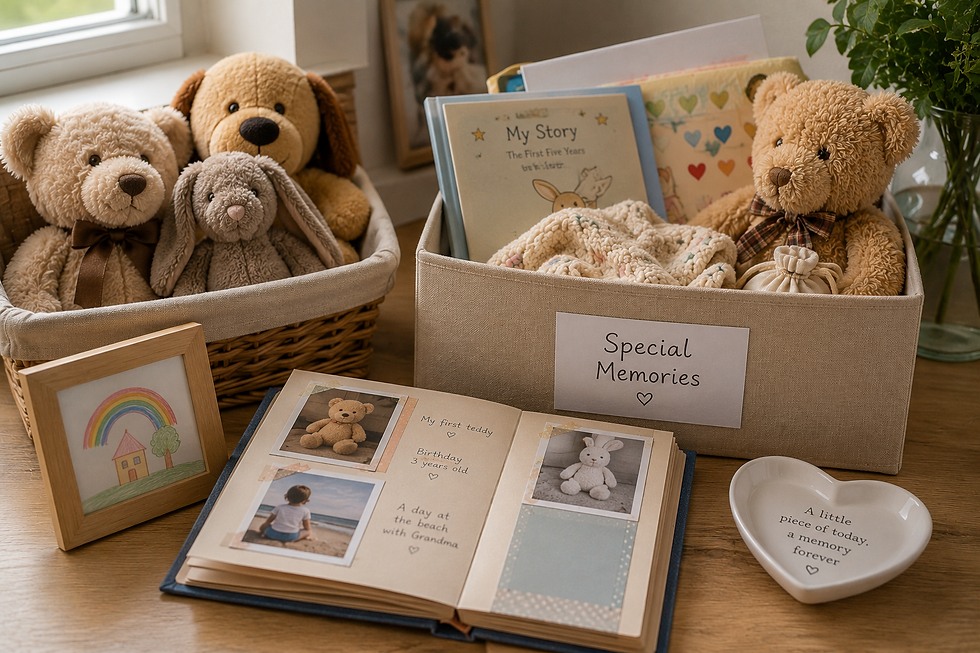
Decluttering sounds simple in theory. You sort through your belongings, decide what you no longer need, and remove the excess from your home. Yet anyone who has ever attempted a serious decluttering project knows that it is rarely just about “stuff.”
The hardest part of decluttering is often not deciding what to keep. It’s deciding what to let go.
While some items are easy to discard, broken appliances, expired toiletries, or worn-out clothing other possessions carry emotional weight that makes them incredibly difficult to part with. They represent memories, relationships, dreams, achievements, and sometimes even regrets.
As professional declutterers often discover, the hardest items to remove are rarely the most valuable financially. Instead, they are the belongings that hold emotional significance.
So, what is the hardest thing to get rid of when decluttering?
The answer varies from person to person, but several categories consistently prove the most challenging. Understanding why these items are difficult to let go of can make the decluttering process feel less overwhelming and help you make decisions with greater confidence.
The Real Challenge: Letting Go of Emotions, Not Possessions
Before looking at specific categories, it’s important to understand why certain items feel impossible to part with.
Most people don’t struggle because they need the item itself. They struggle because of what the item represents.
Possessions often symbolize:
Memories
Relationships
Identity
Achievement
Security
Future hopes
Family history
When we declutter, we are sometimes confronted with emotions we would rather avoid.
An old school report isn’t just paper. It represents childhood.
A wedding dress isn’t just fabric. It represents a significant chapter of life.
A box of inherited belongings isn’t simply clutter. It may feel like a connection to someone who is no longer here.
Recognising this emotional connection is the first step towards understanding why certain items are so difficult to release.
Sentimental Items: The Most Difficult Category
For many people, sentimental belongings are the hardest items to declutter.
These might include:
Family photographs
Children’s artwork
Wedding keepsakes
Travel souvenirs
Greeting cards
Personal letters
Memorabilia from important life events
The challenge is that sentimental items often trigger strong emotions and memories.
People worry that letting go of the object means losing the memory attached to it.
However, memories live within us, not within our possessions.
A common mistake is keeping every sentimental item rather than selecting the most meaningful pieces.
For example, keeping one treasured memory box is very different from storing dozens of boxes that are rarely opened or enjoyed.
The goal isn’t to eliminate memories. It’s to preserve the ones that matter most.
Items Inherited from Loved Ones
Inherited possessions are particularly difficult to declutter.
After losing a family member, people often feel responsible for preserving their belongings.
These may include:
Furniture
Jewellery
Books
Clothing
Collectables
Household items
Many people worry that getting rid of inherited items is disrespectful or somehow dishonours the memory of the person who owned them.
In reality, most loved ones would want their possessions to support your life rather than create stress or clutter.
The emotional challenge comes from separating the person from the object.
A beloved parent is not contained within a chair, a china set, or a collection of ornaments.
Keeping a few meaningful pieces can often preserve the connection more effectively than storing every possession out of obligation.
Children’s Belongings
Parents frequently identify children’s items as one of the most difficult categories to declutter.
These possessions often represent important milestones and memories.
Examples include:
Baby clothes
First shoes
School projects
Toys
Artwork
Nursery items
Even when children have long outgrown these belongings, parents may struggle to let them go.
Part of the difficulty comes from recognising how quickly children grow and change.
An old teddy bear or tiny baby outfit can trigger powerful emotions about earlier stages of family life.
Many parents find it helpful to keep a carefully selected collection of the most meaningful items while letting go of the rest.
This allows memories to be preserved without dedicating entire lofts, garages, or spare rooms to storage.
Gifts You Never Use
Gifts can be surprisingly difficult to declutter.
Whether received from family members, friends, or colleagues, gifts often carry feelings of obligation.
People commonly think:
They spent money on this.
It would be rude to get rid of it.
What if they ask about it?
I should appreciate it more.
As a result, unwanted gifts often remain hidden in cupboards for years.
The reality is that a gift’s purpose is fulfilled when it is given.
You are not required to keep something indefinitely simply because it was a present.
A gift that doesn’t fit your lifestyle or preferences can often be donated, sold, or passed on to someone who will genuinely enjoy it.
Holding onto it out of guilt rarely benefits anyone.
Clothing That Represents a Different Version of You
Many wardrobes contain clothing that no longer serves a practical purpose.
These may include:
Clothes that no longer fit
Items saved for future weight loss
Outdated fashion choices
Workwear from previous careers
Special occasion outfits rarely worn
The difficulty isn’t usually the clothing itself.
Instead, the clothes often represent a version of ourselves we hope to become or perhaps a version we once were.
Some items reflect past achievements, aspirations, or identities.
People may keep clothing because:
They hope to wear it again someday.
It reminds them of a happier period.
It reflects a previous lifestyle.
Decluttering these items often involves accepting change and embracing the present rather than holding onto the past.
Expensive Purchases
One of the most common reasons people keep unnecessary items is because they cost a lot of money.
Examples include:
Exercise equipment
Kitchen gadgets
Electronics
Designer clothing
Hobby supplies
People often think:
“I spent good money on that.”
Unfortunately, keeping something unused does not recover the money already spent.
The financial loss occurred when the item was purchased.
Allowing it to occupy valuable space does not change that fact.
This is often referred to as the “sunk cost” effect the tendency to continue investing in something because of resources already spent.
Decluttering expensive but unused items can feel difficult, but doing so often creates more physical and mental space than holding onto them indefinitely.
Hobby Supplies and Unfinished Projects
Many homes contain evidence of hobbies that never quite took off.
These may include:
Craft materials
Sewing equipment
Art supplies
Musical instruments
Sports equipment
DIY materials
These possessions often represent intentions rather than reality.
People may keep them because they believe they will return to the hobby someday.
Sometimes that happens.
Often it doesn’t.
The emotional challenge comes from letting go of a future possibility.
Decluttering hobby supplies can feel like admitting failure, but it can also create room for the activities and interests that genuinely matter now.
Paperwork and Documents
Paper clutter can be surprisingly emotional.
Old documents often include:
Certificates
School records
Financial paperwork
Letters
Diaries
Personal notes
The challenge lies in deciding what is genuinely important and what is simply taking up space.
Many people fear accidentally discarding something valuable.
Others struggle because paperwork represents life experiences and achievements.
A practical filing system combined with careful sorting can significantly reduce paper clutter while preserving genuinely important records.
Collections
Collections can be particularly difficult to declutter because they often represent years of effort and investment.
Examples include:
Books
Vinyl records
Figurines
Antiques
Memorabilia
Sports collectibles
Collections frequently become part of a person’s identity.
The question becomes not simply whether to keep an item, but whether to redefine how much space the collection occupies.
In many cases, decluttering a collection doesn’t mean eliminating it entirely.
Instead, it means curating it more intentionally.
“Just in Case” Items
Many people struggle to part with items they might need one day.
These often include:
Spare cables
Old tools
Duplicate kitchen equipment
Extra bedding
Packaging materials
Miscellaneous household items
The fear behind these possessions is uncertainty.
What if I need this next month?
What if it becomes useful?
While keeping genuinely useful items makes sense, many households accumulate large numbers of objects that haven’t been used in years.
A useful question is:
“If I needed this tomorrow, how easily could I replace it?”
Often the answer reveals that the item is not worth storing indefinitely.
The Hardest Thing to Let Go Of Is Often the Past
When professional declutterers work with clients, a common theme emerges.
The hardest belongings to release are often connected to the past.
People may hold onto items because they represent:
Former relationships
Childhood memories
Career achievements
Family traditions
Life stages that have ended
The physical object becomes a symbol of something much larger.
Decluttering can therefore involve accepting change, loss, growth, and transition.
This emotional aspect explains why decluttering is rarely just an organisational task.
It is often a deeply personal process.
How to Make Difficult Decluttering Decisions Easier
If you’re struggling with emotional belongings, several strategies can help.
Start with Easy Categories
Begin with obvious clutter rather than sentimental possessions.
Building confidence makes emotional decisions easier later.
Take Photographs
Sometimes a photograph preserves the memory without requiring physical storage.
Keep the Best, Not Everything
Choose the most meaningful examples rather than saving every item.
Give Yourself Time
You don’t have to make every decision immediately.
Set difficult items aside and revisit them later.
Focus on Your Current Life
Ask yourself whether the item supports the life you are living now.
Remember the Purpose of Your Home
Your home is meant to be lived in, not used solely as storage for the past.

Final Thoughts
So, what is the hardest thing to get rid of when decluttering?
For most people, it isn’t furniture, clothing, books, or paperwork.
The hardest thing to let go of is the emotion attached to those possessions.
Sentimental keepsakes, inherited belongings, children’s items, expensive purchases, gifts, and objects connected to past versions of ourselves all carry emotional significance that can make decluttering feel challenging.
The good news is that decluttering does not require you to erase your memories, abandon your history, or forget the people and experiences that shaped your life.
Instead, it allows you to choose which possessions truly deserve a place in your home and your future.
When approached thoughtfully, decluttering becomes less about getting rid of things and more about making room for what matters most. By keeping the items that genuinely add value and releasing those that no longer serve a purpose, you can create a home that feels lighter, calmer, and better aligned with the life you want to live today.
Alix and Georgina
📞 Call: 07973 957599
📧 Email: declutteringcrew@gmail.com

Comments