
Decluttering Toys

A Practical Guide to Creating a Calmer, Happier Home

If it feels like toys have taken over your home, you’re certainly not alone. From cuddly toys and dolls to building blocks, puzzles and craft supplies, children’s toys have a habit of multiplying faster than most parents ever imagined. One day the toy box closes perfectly, and the next you’re finding toy cars under the sofa, Lego on the stairs and teddy bears in every bedroom.
The good news is that decluttering toys doesn’t mean getting rid of everything your child loves. It’s about creating a home where favourite toys are easy to find, enjoyable to play with and simple to put away. A well organised play space can make daily life less stressful, encourage more meaningful play and help your whole home feel calmer.
Whether you’re preparing for a house move, making space for a new baby, trying to simplify family life or simply feeling overwhelmed by the amount of clutter, this guide will show you how to declutter toys in a practical, realistic and family friendly way.
Alix x
CONTENTS | ||
Why Toy Clutter Happens
Children naturally collect toys as they grow. Birthdays, Christmas, rewards, holidays, hand me downs and well meaning gifts from family members all add to the collection. Before long, cupboards are overflowing, toy boxes won’t close and every room seems to have become part playroom.
Many parents put off decluttering because they worry about upsetting their children, feel guilty about parting with expensive toys or simply don’t know where to start. Others are so busy juggling work, school runs and family life that tackling the growing mountain of toys always drops to the bottom of the list.
It’s important to remember that toy clutter isn’t a sign you’ve failed as a parent. It simply happens. Family life is busy, children grow quickly and their interests change constantly. The key is finding a simple system that keeps toys under control without taking the fun out of childhood.
Why Toy Clutter Happens

Children naturally collect toys as they grow. Birthdays, Christmas, rewards, holidays, hand me downs and well meaning gifts from family members all add to the collection. Before long, cupboards are overflowing, toy boxes won’t close and every room seems to have become part playroom.
Many parents put off decluttering because they worry about upsetting their children, feel guilty about parting with expensive toys or simply don’t know where to start. Others are so busy juggling work, school runs and family life that tackling the growing mountain of toys always drops to the bottom of the list.
It’s important to remember that toy clutter isn’t a sign you’ve failed as a parent. It simply happens. Family life is busy, children grow quickly and their interests change constantly. The key is finding a simple system that keeps toys under control without taking the fun out of childhood.
The Benefits of Decluttering Toys
Decluttering toys offers far more than a tidier home. It can positively impact both parents and children in ways many families don’t expect.
Less Stress for Parents
When there are fewer toys to manage, tidying becomes quicker and much less overwhelming. Instead of spending every evening picking toys up from every room, you’ll find it easier to keep your home organised with just a few minutes of daily maintenance.
Better Quality Play
It might seem surprising, but many children actually play better when they have fewer toys available. Too much choice can be overwhelming, making it difficult for children to settle on one activity before moving on to the next.
With a smaller, carefully chosen collection, children often spend longer using their imagination, concentrating on creative play and making the most of the toys they genuinely enjoy.
Easier Cleaning
Less clutter means fewer obstacles when vacuuming, dusting and cleaning your home. You’ll spend less time moving piles of toys from one place to another and more time enjoying your living space.
Teaching Responsibility
Decluttering provides a valuable opportunity to teach children about organisation, decision making and caring for their belongings. When children understand that every toy has a home, they’re often more willing to help tidy up.
A Calmer Home
Visual clutter can make a home feel busy and overwhelming. By reducing the number of toys on display, you create a calmer environment that’s more relaxing for the whole family.
When Is the Best Time to Declutter Toys?

There’s no perfect time to declutter, but certain times of year naturally make the process easier.
Many families choose to declutter toys:
Before birthdays
Before Christmas
Before moving house
During the school holidays
Before decorating a child’s bedroom
At the start of a new school year
Before putting a property on the market
Rather than waiting until toy cupboards are overflowing, consider carrying out a small decluttering session every few months. Regular maintenance is far easier than tackling years of accumulated toys all at once.
If you’re planning to move home, you may also find our blog on Decluttering Before Moving House helpful, as reducing belongings before packing can save both time and money.
Preparing to Declutter

Before you begin, gather several boxes or bags and label them:
Keep
Donate
Sell
Recycle
Broken
Having clear categories keeps the process moving and helps prevent second guessing every decision.
Try to choose a time when everyone is well rested and there’s no pressure to rush. Decluttering when children are tired or hungry is rarely productive, and parents are more likely to feel overwhelmed if they’re trying to squeeze it into an already hectic day.
Should You Involve Your Children?
One of the questions I’m asked most often is whether children should help decide which toys stay and which go.
The answer depends on their age and personality.
Toddlers don’t need to make every decision, but they can help choose a few favourite toys or place items into donation boxes.
Older children, however, often benefit from being involved. It teaches responsibility and helps them understand that making space for the toys they truly love means they’ll be easier to find and enjoy.
Try asking open questions rather than telling them what to get rid of.
For example:
Which toys do you play with the most?
Are there any you’ve outgrown?
Could another little boy or girl enjoy this toy now?
Which toys make you happiest?
Keeping the conversation positive helps children develop healthy habits without feeling like they’re losing something important.
Start With the Easy Wins

One of the biggest mistakes people make is beginning with sentimental toys or difficult decisions.
Instead, build confidence by removing the obvious items first.
Look for:
Broken toys
Toys with missing pieces
Duplicate toys
Empty packaging
Outgrown baby toys
Dried up pens and craft supplies
Damaged books
Toys that no longer work
These quick wins create immediate progress and often free up more space than you expect.
Declutter One Category at a Time

Rather than emptying an entire playroom onto the floor, focus on one category of toys at a time. It’s far less overwhelming and makes it much easier to compare similar items.
Soft Toys
Children often collect dozens of cuddly toys over the years. Keep the favourites that are regularly cuddled or hold genuine sentimental value, but don’t feel obliged to keep every teddy that’s ever entered the house.
If they’re clean and in good condition, many local charity shops and children’s charities around Sevenoaks and the surrounding area are happy to receive donations.
Building Toys
Sort through building bricks, magnetic tiles and construction sets.
Remove damaged pieces where possible and store complete sets together in clearly labelled containers. This makes building much more enjoyable and avoids endless searching for missing pieces.
Dolls and Action Figures
Most children have a handful of favourites while others remain untouched for months.
Keep the toys that inspire imaginative play and consider donating duplicates or those that have clearly been outgrown.
Arts and Crafts
Go through craft supplies regularly and dispose of:
Dried out paints
Empty glue sticks
Broken crayons
Pens without lids
Damaged colouring books
Storing craft materials in clear containers makes creative activities much quicker to set up and tidy away.
Games and Puzzles
Check that all the pieces are still there before returning games to storage.
If a board game is missing half its pieces or a puzzle can no longer be completed, decide whether it’s realistically going to be used again or whether it’s time to let it go.
Let Go of “Just in Case”

Many families keep toys because they think they might come in useful one day. Perhaps they’re being saved for a younger sibling, visiting grandchildren or “just in case” they become popular again.
While this occasionally makes sense, keeping large numbers of toys that haven’t been touched for years can quickly take over valuable space in your home.
Ask yourself:
Has this toy been played with in the last 12 months?
Is it suitable for my child’s current age and interests?
If we didn’t already own it, would I choose to keep it today?
If the answer is no, it may be time for the toy to bring joy to another family instead.
Try a Toy Rotation System
If your child enjoys lots of different toys but your home feels overwhelmed, toy rotation can be a game changer.
Rather than having every toy available all the time, keep a selection out and store the rest in clearly labelled boxes.
Every few weeks, swap the toys over.
Children often rediscover toys they’ve forgotten about and become excited to play with them all over again. Parents also find that fewer toys on display means less mess to tidy each day.
Toy rotation works particularly well for younger children, helping to keep playtime fresh without constantly buying new toys.
Organising the Toys You Keep

Decluttering is only half the job. Creating simple organisation systems makes it much easier to maintain your hard work.
The best storage solutions are easy for children to understand and use independently.
Group similar toys together, for example:
Cars and vehicles
Building blocks
Dolls and action figures
Arts and crafts
Musical toys
Outdoor toys
Puzzles and games
Use labelled baskets, transparent storage boxes or open shelving so children can easily see what’s inside.
Remember, organisation doesn’t have to look like something from a magazine. It simply needs to work for your family.
Don’t Overfill Your Storage
One of the most common mistakes is trying to squeeze every remaining toy into one large toy box.
When storage is overcrowded, children often have to empty everything onto the floor just to find one item, creating even more mess.
Instead, leave a little empty space in each basket or box.
This makes it easier to see what’s inside, protects toys from damage and encourages children to return them to the correct place after they’ve finished playing.
Teach Simple Daily Habits
Decluttering isn’t something you do once and never think about again. Small daily habits make a huge difference to keeping clutter under control.
Encourage children to:
Put one activity away before starting another.
Return toys to their correct basket.
Help tidy up before bedtime.
Donate toys they’ve outgrown before new ones arrive.
Don’t aim for perfection. Family homes are meant to be lived in, and it’s completely normal for toys to be out during the day.
The goal is simply to make tidying quicker and less stressful.
What Should You Do With Unwanted Toys?
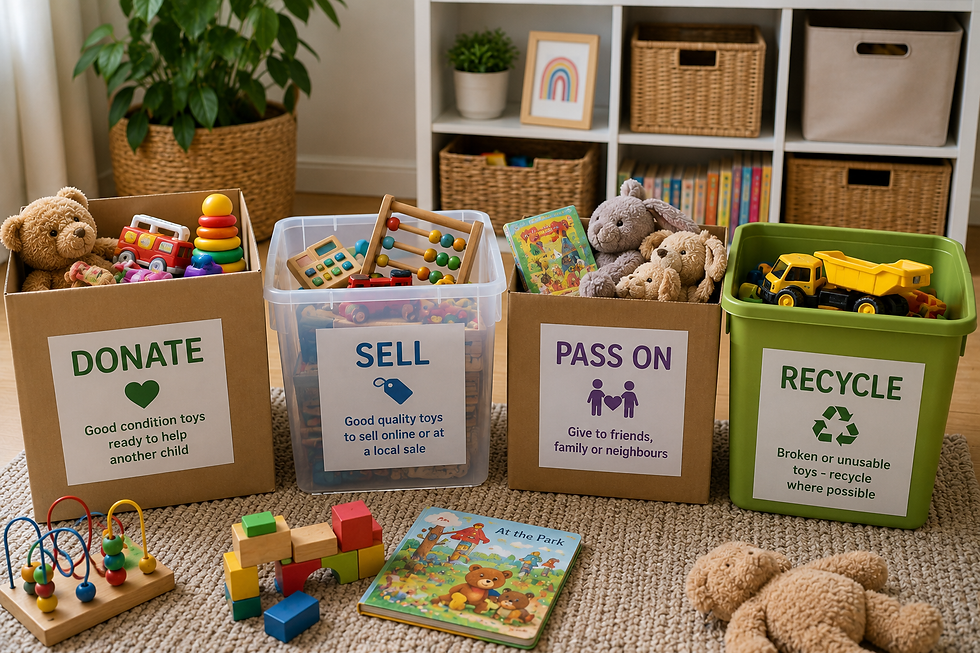
Once you’ve decided what you’re no longer keeping, try to give those toys a second life wherever possible.
Donate
Many charity shops across Sevenoaks and the surrounding area welcome clean, good quality toys.
You could also consider donating to local children’s charities, community projects or family support organisations where appropriate.
Sell
Wooden toys, popular brands and complete playsets often sell well through online marketplaces or local community Facebook groups.
Selling unwanted toys can help fund family days out or contribute towards toys your children will genuinely use.
Pass Them On
Friends, neighbours and relatives with younger children are often delighted to receive toys that are no longer needed.
Passing toys on directly gives them a new home while helping another family.
Recycle
If toys are broken beyond repair, check your local council’s recycling guidance to see what materials can be recycled responsibly.
Choosing to donate, sell or recycle wherever possible also helps reduce unnecessary waste going to landfill.
Decluttering Before Moving House

Moving home is the perfect opportunity to reduce toy clutter.
There’s little point paying to pack, transport and unpack boxes of toys your children have already outgrown.
By decluttering before moving day you’ll benefit from:
Fewer boxes to pack.
Lower removal costs.
Faster unpacking.
More organised children’s bedrooms in your new home.
If you’re preparing for a move, you may also find my blog on Decluttering Before Moving House helpful, with practical advice to make the whole process less stressful.
Preparing Your Home for Sale
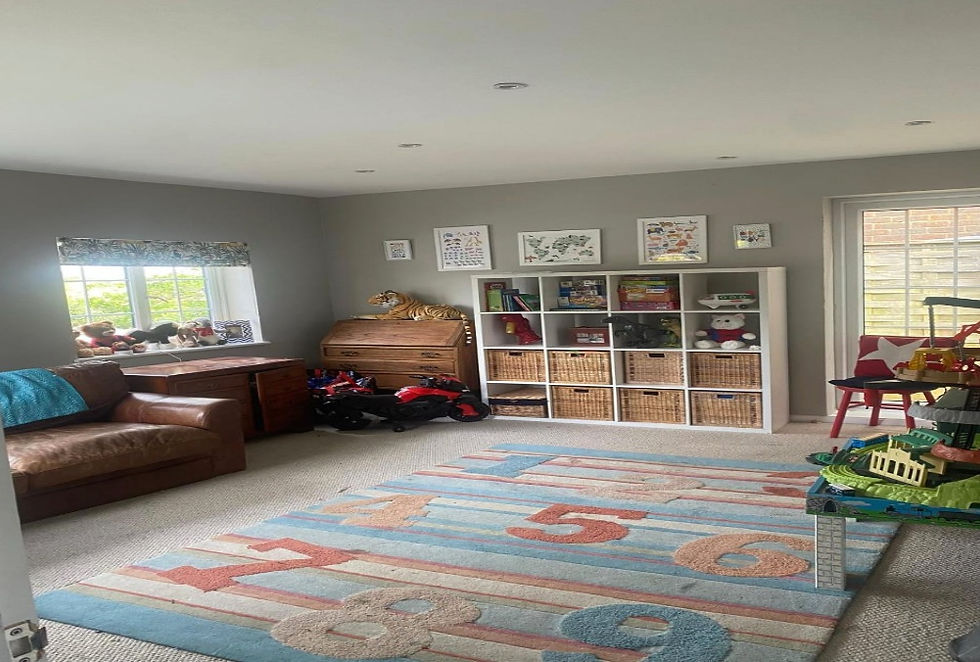
If you’re selling your home, decluttering toys can make a surprisingly big difference.
Potential buyers want to imagine themselves living in the property, and tidy, organised children’s bedrooms often appear larger, brighter and more functional.
A well organised playroom or family room also photographs much better for estate agent marketing.
Remember, buyers aren’t judging your parenting. They simply need to see the space and its potential.
Download your Free House Viewing Checklist
Handling Sentimental Toys
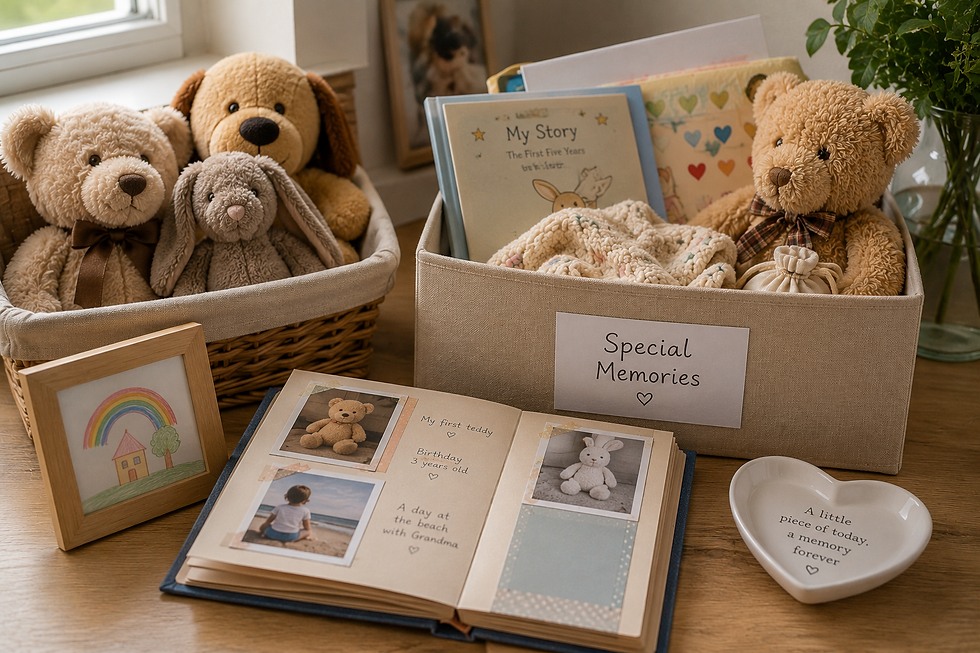
Some toys are simply too special to throw away.
Perhaps they were handmade by a grandparent, were your child’s favourite teddy or hold memories of an important milestone.
Rather than keeping every sentimental item, choose a small collection of truly meaningful keepsakes.
Many families create a memory box containing favourite toys, baby books and treasured childhood items.
Another lovely idea is to photograph sentimental toys before donating them. The memories remain, even if the toys move on to another family.
How to Stop Toy Clutter Building Up Again

Once you’ve created a calmer, more organised play space, a few simple habits can help keep it that way.
Follow the One In, One Out Rule
A simple way to stop toy collections growing out of control is to introduce the One In, One Out Rule.
Whenever a new toy comes into the house, choose one that is no longer used to donate, sell or recycle.
It doesn’t have to happen immediately, but making it part of your routine helps keep toy numbers manageable throughout the year.
Choose Experiences Over More Toys
If family members ask what your child would like for birthdays or Christmas, consider suggesting experience gifts instead.
Ideas include:
Zoo or wildlife park memberships
Swimming lessons
Theatre trips
Cinema vouchers
Craft workshops
Family days out
These gifts create lasting memories without adding more clutter to your home.
Buy More Thoughtfully
Before buying another toy, pause and ask yourself:
Does my child already have something similar?
Will they realistically play with it for more than a few weeks?
Where will it be stored?
Is it good quality and likely to last?
Am I buying it because they need it, or because it’s on offer?
A few moments of thought before making a purchase can prevent a lot of unnecessary clutter later on.
Create a Toy Exit Box
One of the easiest ways to stay on top of toy clutter is to keep a donation box somewhere accessible, such as in a cupboard or the garage.
Whenever your child outgrows a toy or loses interest in it, pop it into the box.
Once it’s full, donate everything in one trip.
This avoids having bags of unwanted toys sitting around the house for weeks waiting to be sorted.
Remember, Perfection Isn’t the Goal
Children live by playing, exploring and making wonderful messes.
There will still be days when dolls are lined up across the sofa, toy dinosaurs invade the kitchen or every building brick seems to end up on the living room floor.
That’s completely normal.
Decluttering isn’t about creating a picture perfect showroom where children are afraid to play.
It’s about creating a home that’s easier to manage, less stressful to live in and supports family life.
A little mess is a sign that your home is being enjoyed.
When It Might Be Time to Ask for Help

Sometimes toy clutter feels bigger than the toys themselves.
Perhaps you’re juggling work, school runs and family life. Maybe you’re preparing to move house, welcoming a new baby or supporting an elderly relative. Or perhaps you’ve simply reached the point where you don’t know where to begin.
That’s where working with a professional organiser can make all the difference.
Rather than facing the task alone, you’ll have someone alongside you to provide practical advice, gentle encouragement and a clear plan of action. Together, you can make confident decisions, create storage systems that suit your family and transform overwhelming spaces into rooms that feel calm and functional.
There’s no judgement and no expectation of perfection—just practical support tailored to your home and your lifestyle.
Frequently Asked Questions
How often should I declutter toys?
Most families find that decluttering every three to six months helps keep toy collections under control. It’s also a good idea to have a clear out before birthdays and Christmas, when new toys are likely to arrive.
Should I make my child get rid of toys?
Children should be involved where appropriate, but it’s important not to force difficult decisions. Encourage them to choose toys they’ve outgrown or no longer enjoy, while respecting items that are genuinely special to them.
What should I do with unwanted toys?
Whenever possible, donate, sell, pass them on or recycle them. Good quality toys can bring happiness to another family while reducing waste.
How many toys should a child have?
There’s no perfect number. Every family is different. The aim is simply to keep a manageable collection of toys that are regularly used, easy to access and simple to tidy away.
Can a professional organiser help with toy clutter?
Absolutely. A professional organiser can work alongside you to declutter toys, create practical storage solutions and develop systems that are easy for the whole family to maintain.
Final Thoughts

Decluttering toys isn’t about taking away childhood or creating a perfectly tidy home. It’s about making space for what really matters.
By keeping the toys your children genuinely love and use, you’ll create a home that’s easier to manage, quicker to tidy and far more enjoyable to live in. You’ll also encourage independent play, reduce daily stress and help your children develop valuable organisational skills that will benefit them for years to come.
Remember, you don’t have to declutter everything in one weekend. Small, consistent steps often lead to the biggest and most lasting changes.
And if the task feels too overwhelming to tackle alone, you don’t have to do it by yourself. Professional support can help you make steady progress and create a home that works for your family—not just today, but for years to come.
Alix and Georgina
📞 Call: 07973 957599
📧 Email: declutteringcrew@gmail.com

Comments