
The One-Year Rule: What to Keep and What to Let Go
- Alix Carnegie

- Jun 20
- 7 min read

If you’ve ever stood in front of an overflowing wardrobe, a cluttered garage, or a kitchen cupboard packed with items you barely remember buying, you’re not alone. Most of us accumulate far more possessions than we actually use. Over time, these belongings take up valuable space, create unnecessary stress, and make it harder to keep our homes organised.
One of the simplest and most effective decluttering methods is known as the One-Year Rule. The concept is straightforward: if you haven’t used, worn, or needed an item in the past twelve months, it’s worth seriously questioning whether you should keep it.
As a professional organiser working with clients across Sevenoaks and Kent, one of the most common challenges I see is people feeling overwhelmed by the sheer volume of belongings they own. The One-Year Rule provides a simple framework that removes much of the emotion from decluttering decisions and helps people regain control of their space.
While the rule isn’t perfect for every situation, it offers a practical way to decide what deserves space in your home and what could be donated, sold, recycled, or passed on to someone else.
Alix x
What Is the One-Year Rule?

The One-Year Rule is a decluttering strategy designed to help people make more objective decisions about their possessions.
The basic principle is simple:
If you haven’t used an item in the last year, you probably don’t need it.
The twelve-month timeframe is important because it accounts for seasonal changes. If you genuinely need an item, there is a good chance you would have used it at some point during spring, summer, autumn, or winter.
For example:
A winter coat should be worn during colder months
Gardening tools are likely to be used during spring and summer
Holiday decorations typically come out once a year
Sports equipment should see regular use during its season
If none of these items have been touched in more than twelve months, it may be time to reconsider whether they still serve a purpose.
Why We Hold On to Unused Items
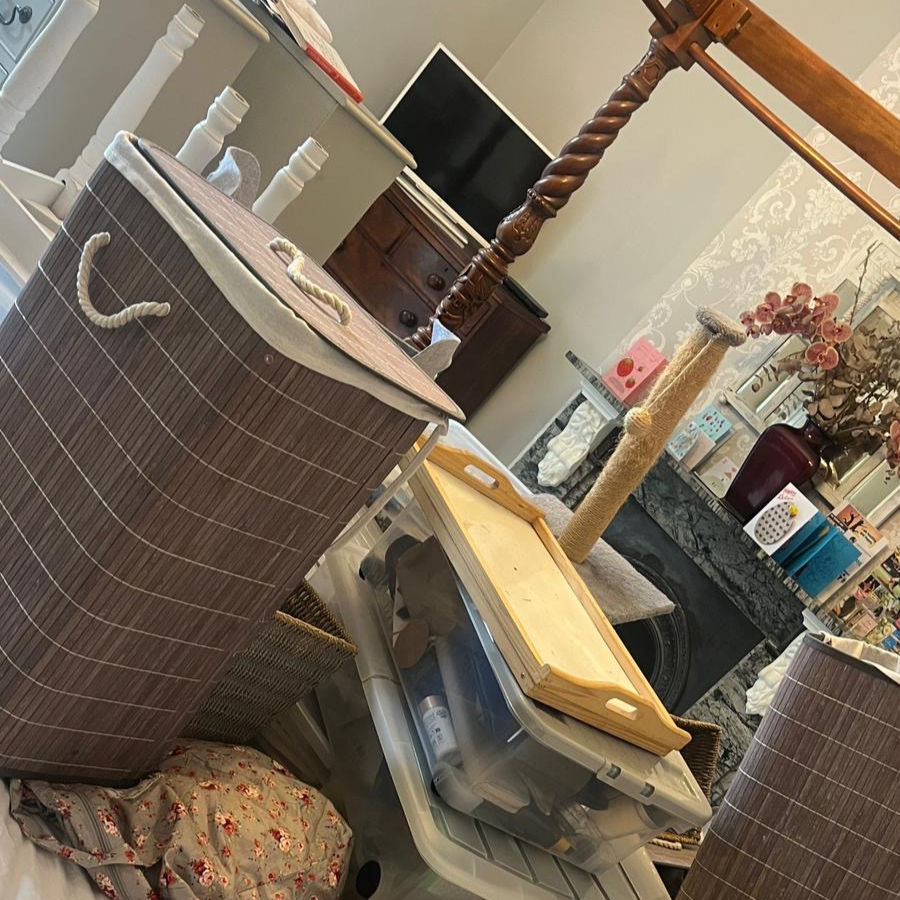
Before applying the One-Year Rule, it helps to understand why clutter builds up in the first place.
Many possessions remain in our homes for emotional rather than practical reasons.
“I Might Need It One Day”
This is perhaps the most common reason people keep unused items.
While occasionally valid, most “just in case” possessions remain untouched for years. Often, the cost of replacing an item in the future is far lower than the cost of storing it indefinitely.
Guilt About Money Spent
Many people struggle to part with expensive purchases they rarely use.
However, the money has already been spent. Keeping an unused item does not recover the cost. In fact, allowing it to occupy valuable space can create ongoing frustration.
Sentimental Attachments
Objects often carry memories.
A concert ticket, a childhood toy, or a gift from a loved one may hold emotional significance even if it has no practical purpose. Sentimental items deserve special consideration, which we’ll discuss later.
Aspirational Clutter
This category includes possessions that represent the person we hope to become rather than the person we are today.
Examples include:
Unused exercise equipment
Craft supplies for abandoned hobbies
Language-learning books
Musical instruments gathering dust
These items can be particularly difficult to evaluate because they represent future intentions rather than current reality.
The Benefits of Following the One-Year Rule

The One-Year Rule is about far more than creating extra storage space.
It can have a positive impact on your home, finances, and overall wellbeing.
More Space
The most obvious benefit is reclaiming valuable room in your home.
Wardrobes become easier to manage, cupboards function more efficiently, and spare rooms can return to their intended purpose.
Less Stress
Research has shown that clutter can contribute to feelings of overwhelm and anxiety.
A tidy, organised environment often feels calmer, more relaxing, and easier to manage.
Easier Cleaning
Fewer possessions mean fewer items to dust, move, sort, and organise.
Cleaning routines become faster and less demanding.
Better Organisation
When storage areas contain only useful items, finding what you need becomes significantly easier.
Potential Financial Benefits
Many unused belongings still have resale value.
Selling unwanted furniture, electronics, clothing, or equipment can generate extra income while reducing clutter.
Applying the Rule Room by Room

The One-Year Rule works particularly well when applied systematically throughout the home.
Wardrobes and Clothing
Clothing is often the easiest place to begin.
Ask yourself:
Have I worn this in the last year?
Does it still fit?
Does it suit my current lifestyle?
Would I buy it again today?
If the answer is no, it may be time to let it go.
Pay particular attention to:
Duplicate items
Clothes that no longer fit
Outdated fashion purchases
Special occasion outfits that never get worn
Kitchen Items
Many kitchens contain gadgets used once and then forgotten.
Consider:
Bread makers
Juicers
Speciality baking tools
Duplicate utensils
Unused appliances
If these haven’t been used in twelve months, they may simply be taking up valuable cupboard space.
Books and Media
Books often carry emotional value, but many remain unread for years.
Ask yourself:
Will I realistically read this again?
Is this information available elsewhere?
Does it hold genuine personal significance?
Keep favourites and meaningful collections, but consider donating books you’re unlikely to revisit.
Garage and Shed Storage
Garages and sheds frequently become holding areas for forgotten possessions.
Review:
Old tools
Broken equipment
Unused DIY materials
Sports gear
Garden supplies
If an item has survived a full year without being used, it may no longer deserve space in your home.
Digital Clutter
The One-Year Rule can even apply to your digital life.
Review:
Old files
Duplicate photographs
Unused apps
Forgotten subscriptions
Digital clutter can create just as much mental overwhelm as physical clutter.
Important Exceptions to the Rule

The One-Year Rule is a guideline rather than an absolute rule.
Certain items deserve exemption.
Essential Documents
Always keep important paperwork such as:
Birth certificates
Passports
Property records
Tax documents
Insurance information
Usage frequency is irrelevant when these documents are legally necessary.
Emergency Supplies
Items designed for emergencies may rarely be used but remain essential.
Examples include:
First-aid kits
Emergency torches
Fire extinguishers
Backup batteries
The fact that you haven’t used them is often a positive sign.
Seasonal and Occasional Equipment
Some items naturally see infrequent use.
Examples include:
Christmas decorations
Camping equipment
Ski clothing
Guest bedding
If they serve a clear purpose and are likely to be used again, keeping them may be justified.
Family Heirlooms
Sentimental possessions often require a different approach.
Instead of asking whether you’ve used them, consider:
Does this item tell an important story?
Would I regret losing it?
Could it be displayed rather than hidden away?
The goal is to preserve meaningful items without labelling every possession as sentimental.
Questions to Ask Before Letting Something Go

When you’re unsure about an item, ask yourself:
Would I Buy This Again Today?
This question removes emotional history and focuses on current value.
Could I Replace It Easily?
If replacement would be simple and inexpensive, keeping it “just in case” may not be necessary.
Am I Keeping It Out of Guilt?
Guilt is rarely a good reason to keep something.
Does It Support My Current Lifestyle?
Many possessions reflect past versions of ourselves.
Focus on who you are today rather than who you were years ago.
Would I Notice If It Disappeared?
If the answer is no, it may be time to part with it.
What to Do With Items You No Longer Need
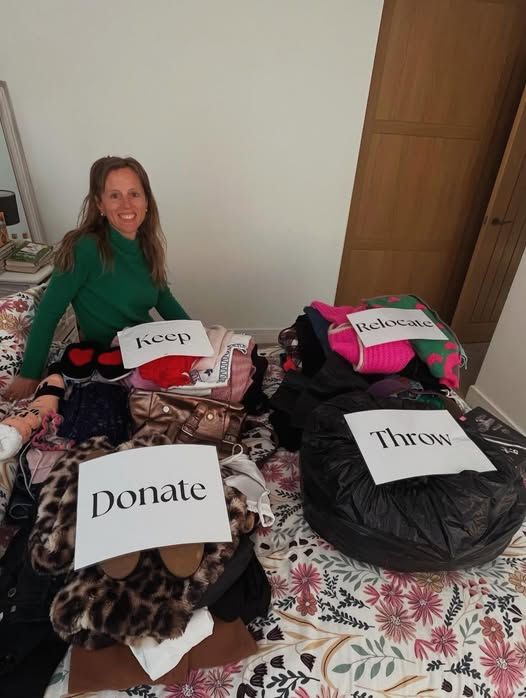
Decluttering doesn’t automatically mean throwing things away.
Consider these alternatives.
Donate
Many charities welcome:
Clothing
Books
Household goods
Toys
Furniture
Donating allows your unwanted possessions to benefit someone else.
Sell
Online marketplaces make it easier than ever to sell:
Electronics• Furniture
Designer clothing
Collectables
Sports equipment
Even small sales can add up over time.
Recycle
Where possible, recycle items responsibly.
Many local councils offer recycling facilities for electronics, textiles, and household materials.
Give to Friends and Family
Someone you know may be actively looking for an item you no longer need.
Passing possessions on can extend their useful life.
Creating a Long-Term Decluttering Habit
The most successful decluttering efforts are ongoing rather than one-off projects.
Annual Reviews
Schedule a yearly decluttering session.
Many people find January or spring the ideal time to review their possessions.
One-In, One-Out Rule
Whenever you buy something new, remove a similar item from your home.
Seasonal Clear-Outs
Review clothing and household items at the start of each season.
Conscious Purchasing
Before making a purchase, ask yourself:
Where will this be stored?
How often will I use it?
Do I already own something similar?
Preventing clutter is often easier than removing it later.
Frequently Asked Questions
Does the One-Year Rule work for everyone?
The One-Year Rule is a useful guideline rather than a strict rule. It helps simplify decision-making, but some items such as sentimental possessions, important documents, and emergency supplies may require different consideration.
What if I haven’t used something because I’ve been too busy?
Ask yourself whether you realistically expect to use the item in the next year. If not, it may be taking up valuable space unnecessarily.
Should I apply the One-Year Rule to clothing?
Yes. Clothing is one of the easiest categories to declutter using this method. If you haven’t worn something in over a year, it’s worth considering whether it still fits your lifestyle.
What should I do with items I no longer need?
Consider donating, selling, recycling, or giving them to friends and family rather than sending them to landfill.
Can the One-Year Rule help reduce stress?
Many people find that reducing clutter makes their home feel calmer, easier to maintain, and less overwhelming, which can have a positive impact on daily life.
Final Thoughts
The One-Year Rule isn’t about creating a minimalist home or getting rid of everything you own. Instead, it encourages thoughtful decision-making about the possessions that occupy your space and attention.
By asking whether an item has genuinely served a purpose during the past twelve months, you can make more confident choices about what to keep and what to let go.
The result is often more than just extra storage space. A carefully curated home can feel calmer, more organised, and easier to maintain. It can reduce stress, simplify daily routines, and help you focus on the belongings that genuinely add value to your life.
Remember, decluttering isn’t about losing things. It’s about making room for what matters most.

Alix and Georgina
📞 Call: 07973 957599
📧 Email: declutteringcrew@gmail.com
Tag line

Comments